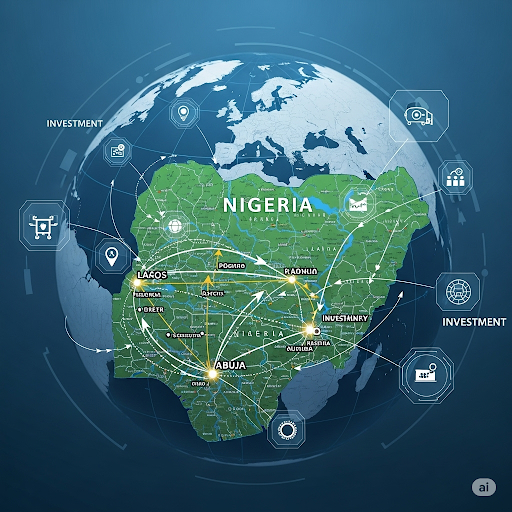
The announcement at the Investopia Global Africa forum that the United Arab Emirates plans to invest over $10 billion in Nigeria has captured attention across business circles. This proposed investment targets the infrastructure, agriculture, and technology sectors, offering opportunities for growth, partnership, and development.
For directors, the news presents more than potential capital inflow; it signals a need to prepare their organisations to align with upcoming opportunities and ensure operations can meet the expectations of international investors. Directors must consider how their decisions, planning, and governance arrangements will affect their ability to engage effectively with these investments.
The Importance of Preparation
Foreign investment of this size carries both promise and responsibility. Boards must understand that investments of this nature will influence markets, introduce new competitors, and affect operational and regulatory requirements. Directors who anticipate potential developments will be able to act quickly, ensuring their organisations are positioned to benefit.
Preparation requires attention to strategy, governance, and operational readiness, as well as the capability to demonstrate organisational integrity and accountability to potential investors. Those who wait until investment commitments are made risk missing opportunities, or failing to meet standards required by international partners.
Implications for Infrastructure
Investment in infrastructure can accelerate economic activity, improve transport and energy systems, and support urban development. Projects may include the development of roads, railways, ports, power generation facilities, and public utilities. Directors in this sector need to ensure that projects selected for potential collaboration align with the organisation’s long-term goals.
Careful planning, transparent reporting, and sound risk management are essential to avoid delays or cost overruns. Boards should also consider the social and environmental impact of projects, as these factors will affect investor confidence and public acceptance. Preparing in advance could involve commissioning feasibility studies, review governance structures, and ensuring operational processes are efficient and accountable.
Implications for Agriculture
Nigeria’s agricultural sector has long held potential, yet challenges such as fragmented operations, limited access to finance, and inefficient supply chains have hindered growth. UAE investment could support modern farming practices, agro-processing, and technology-enabled agribusinesses.
There is also an opportunity to link smallholder farmers with wider markets, creating added value for both producers and consumers. Directors overseeing agricultural enterprises should ensure that governance processes are clear, financial controls are in place, and operational plans are aligned with investor expectations.
Implications for Technology
The technology sector has become essential for economic growth, innovation, and global competitiveness. Investments may focus on fintech, digital infrastructure, e-commerce, and innovation hubs. Directors in technology firms must ensure that their organisations can meet standards for cybersecurity, data protection, and regulatory compliance.
Boards should support innovation, while also maintaining oversight to avoid operational and reputational risks. Investments from foreign partners will favour companies that have capable management teams, skilled employees, and the ability to scale operations efficiently. Preparing in advance will enable organisations to secure partnerships that provide both capital and technical expertise.
Governance Readiness for Directors
Boards should begin by reviewing governance arrangements, ensuring clarity in roles and responsibilities, and confirming that decision-making processes are well documented. This demonstrates organisational accountability and readiness to investors. Conducting internal audits and assessments can help identify operational and financial gaps, allowing directors to address issues before they become obstacles.
Scenario planning is also crucial. Directors should consider how the proposed investments may affect the sector, potential partnerships, and competitive pressures. This type of planning allows boards to make informed decisions quickly when opportunities arise. Directors should also engage with stakeholders early, including government agencies, investors, and industry associations, to build trust and ensure alignment with national and sectoral priorities.
In addition, attention to sustainability and social impact is necessary. Organisations that can demonstrate responsible practices, contribute positively to communities, and operate with transparency will be more attractive to investors. Preparing for due diligence is equally important, ensuring that financial records are accurate, legal and regulatory documentation is complete, and operational procedures are sound.
Finally, directors should ensure that their boards have the knowledge and capability to handle international investments. Understanding investor expectations, cross-border regulatory requirements, and the operational demands of large-scale projects will allow boards to make informed decisions and respond effectively. Boards that are ready will be able to seize opportunities quickly, minimise risk, and position their organisations for growth.
Conclusion
The UAEs planned investment in Nigeria offers an important opportunity for organisations across infrastructure, agriculture, and technology. Directors must act now to prepare, ensuring that governance is sound, operations are efficient, and organisations can meet the standards expected by international investors. Boards that plan carefully, strengthen oversight, and ensure accountability will be in a position to benefit fully from these investments.
Those who prepare will secure partnerships, enhance organisational performance, and contribute positively to economic growth. The responsibility rests with directors to ensure that their organisations are ready to meet the challenge and make the most of this moment.
Research Unit
Chartered Institute of Directors (CIoD)
28, Olawale Edun Road (Formerly Cameron Road), Ikoyi, Lagos.